
Sentimental Value and the Limits of Perfection
Joachim Trier's earnest familial drama is sincerely drawn with slick stylings, but too clean for its own good.

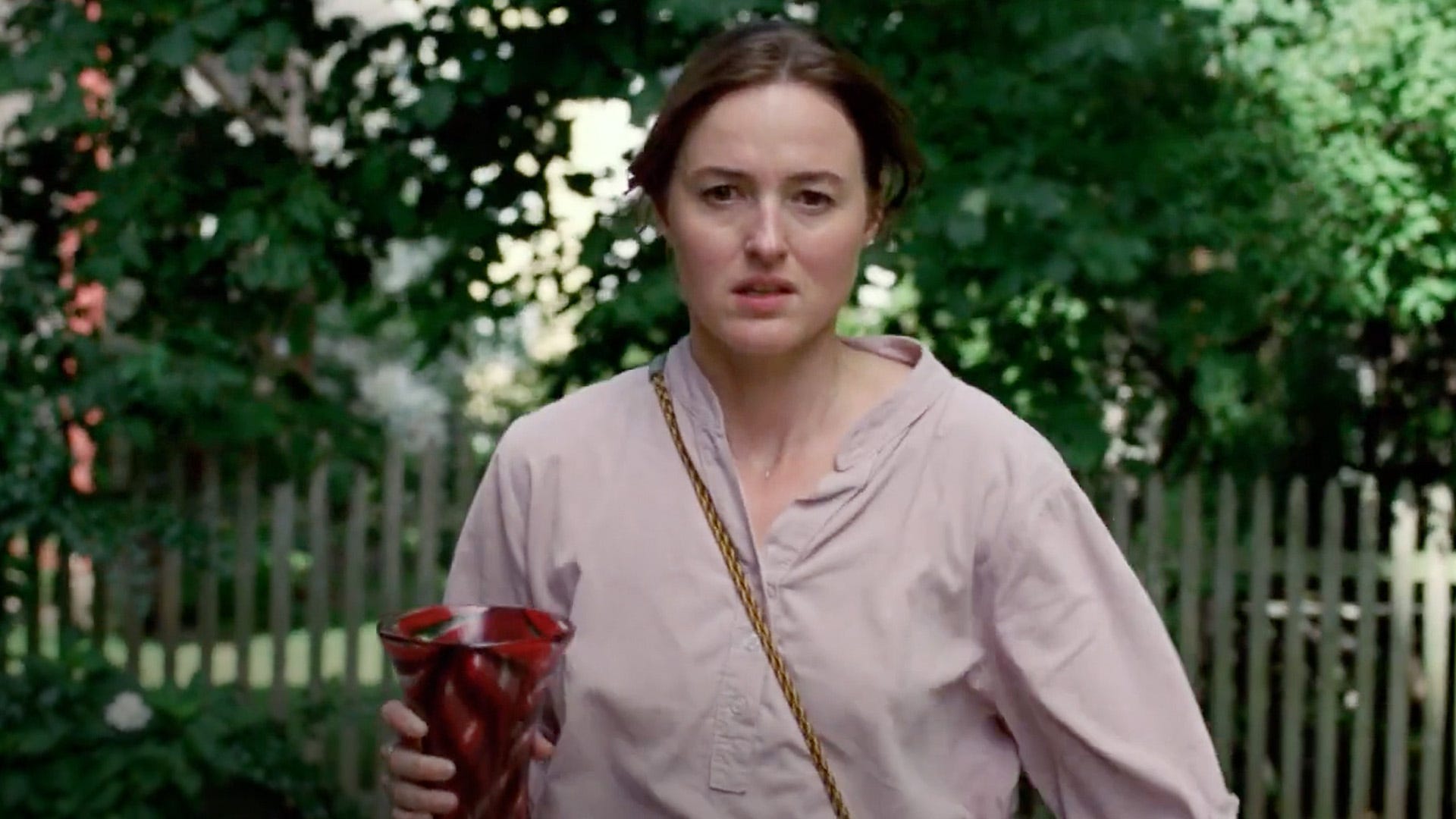
As one of (if not the) face of Scandinavian cinema in the 2020s, Joachim Trier’s talent is undeniable- he followed his rowdy debut picture Reprise with a stunningly constructed addiction-odyssey in Oslo, August 31st, and the auteur has been granted carte blanche to dig his heels into his work on his terms ever since.
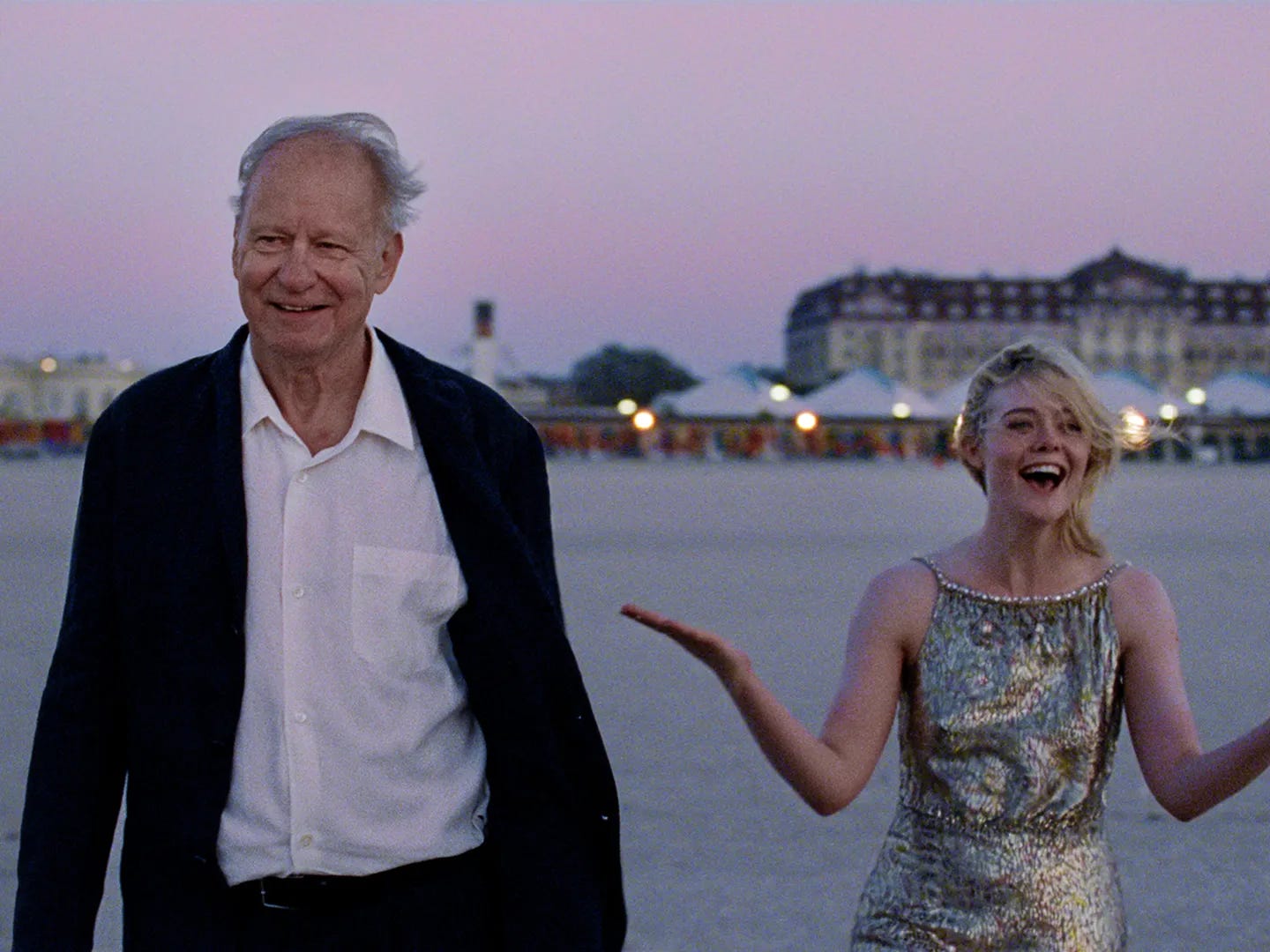
I’ve enjoyed becoming familiar with his style and his fixations, and he’s an interesting bridge between Hollywood and European cinema in how he takes so many formal cues from European work, while resisting the stylings of his European contemporaries and predecessors to ever commit fully to making a feel-bad movie (save for his dalliance with Thelma, aka The Killing of a Lesbian Deer, which I did like but is probably his work that feels the most put on.) This present effort is Trier trying to have his cake and eat it too- while he got lost in the Hollywood sauce during the middling Western-led Louder than Bombs, he is able to pull the things that allure him about Western film into his world on his terms with Sentimental Value.
However, as Trier has grown into a true maestro with his formal movements (there is a sequence he directs in here as a film within the film that is truly breathtaking and carries such a transportive power), it has resulted in him becoming a bit cautious with material, in a way that risks slipping into didactic lecture at its worst. I liked Sentimental Value quite a bit; it’s got a remarkable, weighty turn from Stellan Skarsgaard, and while The Worst Person in the World is my glowering Trier blindspot, I walked away as impressed as many with Renate Reinsve’s work here. They’re flanked by well-realized portraits of people (Inga Ibsdotter Lilleaas was a real standout and I think takes the cake out of the rest of the ensemble), and Trier is able to juggle a lot of balls here- a lesser film probably would have gotten way too engrossed in the Hollywood satire that Elle Fanning’s character, Rachel Kemp, ushers into the film. I felt at times you could feel Trier catching himself going down that road and redirecting himself. It’s debatable whether or not that restraint was for the best, as Fanning’s performance walks a tightrope of tone and her scenes with Skarsgaard carry some of the script’s best material. I would perhaps go so far as to say she deserved a better conclusion then she eventually receives, but the familial drama focus was always going to render Rachel Kemp to the sideline in the scope of this work.
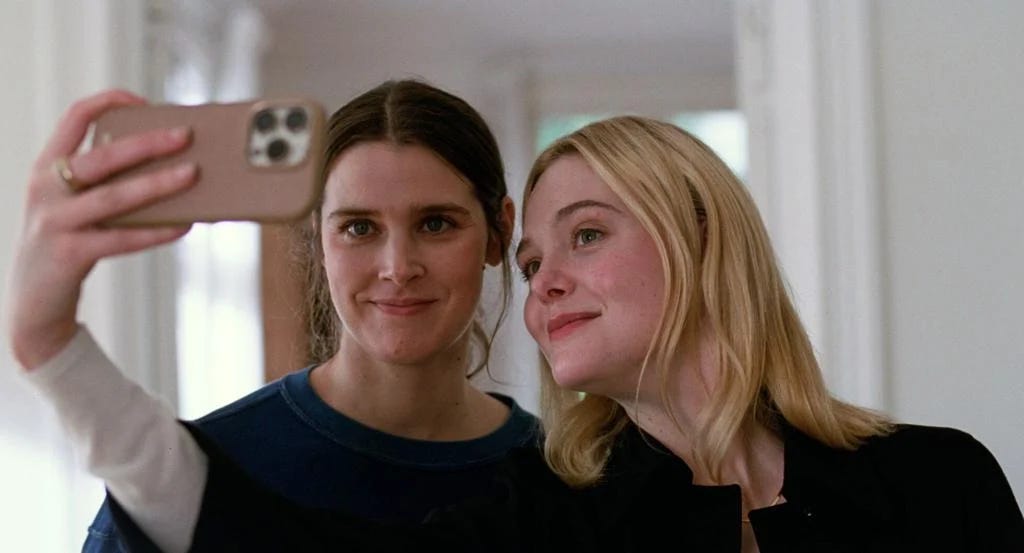
The film is one that is irksome not because it is bad, but because it feels like there was a real chance to be great. People have described Sentimental Value as novelistic or literary- beyond the use of voiceover to expand the time and space encompassed by the film, I do think there is something critical to that which underlies both the success and limitation of the film. When you describe a Joachim Trier film as novelistic, you do not intend to evoke that he’s doing Don DeLillo or Thomas Pynchon here. Rather, Trier’s work is novelistic like a Russian doll- one page after another, everything perfectly shaped to fit within itself. He’s doing The Remains of the Day, not The Crying of Lot 49. And when we get to our eventual conclusion, it feels inevitable. There are no mistakes made in Sentimental Value. There are no missteps, and every apparent tangent is emotionally taut so that the slack never drags. Sentimental Value is a good movie, but in the way that feels backhanded. Trier’s themes are his sun and everything is constructed to orbit the sun- in a way, it strips the film of its potential for wonder and its power to stir the mind afterwards. The emotional conclusions are well-earned, but struggle to linger when they are so unambiguous. It’s hard not to see that final scene coming from a mile away when Gustave walks Kemp through it beat by beat around the midway point- predictability is not a damning quality unto itself, but here it serves to lock the film onto a track in a way that eventually does it a disservice. The best sequences of the film are the ones which push up against the edges of these themes and resist that orbit- the section where Agnes pours over a file tucked away in a dusty library packed with the recreations of the very torture her grandmother was subjected to hits like a train, largely because it avoids its place feeling so well-defined inside the film.
Interestingly enough, the filmmaking feels the most free in its depictions of art within art- the above-mentioned sequence for one, and there are moments of the film where Trier depicts Reinsve performing theater and the lead-up to it that are gripping as anything you’ll see this year; it feels as though this gives Trier enough space to let loose in a way that he cannot for the reality of his own film. Skarsgaard’s character, the renowned-director Gustave Borg? Now he is allowed to make a mistake. But Joachim Trier writes and directs like his mistakes will paralyze him. It’s a good movie.